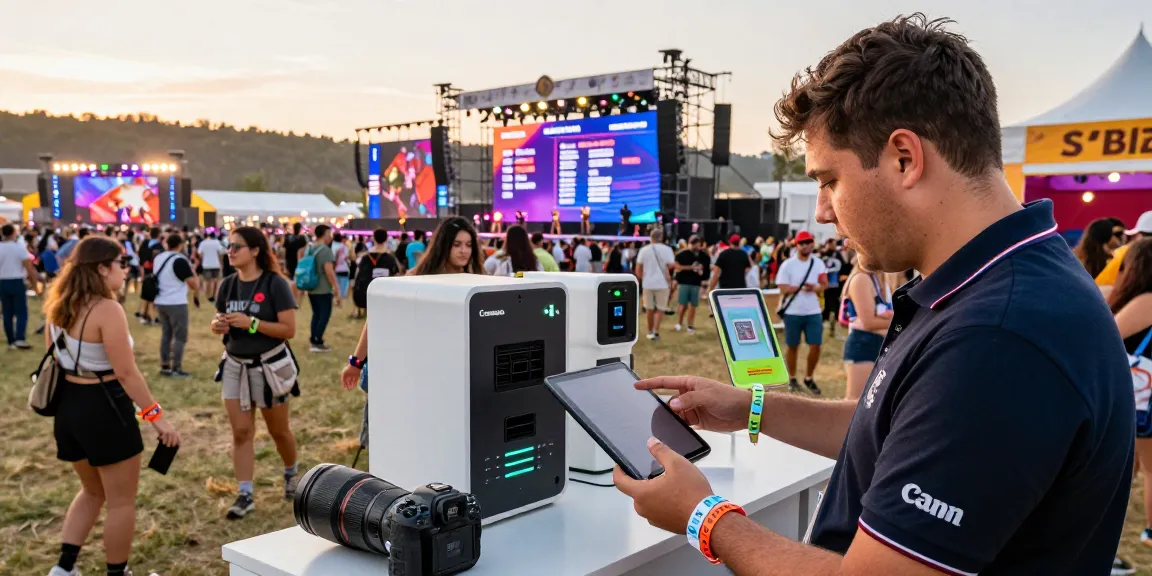
Understanding Digital Wristband Technology
In the evolving landscape of event management, digital wristbands have emerged as a game changer, revolutionizing how access control and guest experiences are managed. These wristbands, embedded with Near Field Communication (NFC) technology, streamline various processes, enabling organizers to efficiently handle large crowds while enhancing security and user experience. When exploring options, control de acceso con pulsera digital provides comprehensive insights into the advantages and functionalities of this technology. In this article, we will delve into what digital wristbands are, their security enhancements, and key NFC features that facilitate modern event management.
What is Control de Acceso con Pulsera Digital?
Control de acceso con pulsera digital refers to the use of wristbands equipped with NFC technology for managing entry points at events. These wristbands are designed to securely store attendee information and facilitate a seamless entry process. Each wristband contains a unique identifier, allowing for instant verification against an event database. This not only eliminates the need for physical tickets or passes but also reduces the potential for fraud, as each wristband can only be scanned once at entry points.
How Do Digital Wristbands Enhance Event Security?
Digital wristbands significantly improve event security by ensuring that only authorized individuals gain access to specific areas. Utilizing NFC technology, these wristbands create a secure and efficient flow of people. The wristbands can be programmed to restrict access based on the attendee’s ticket type, providing different levels of access across various zones within an event. For example, VIP wristbands can grant access to exclusive lounges, while general admission bands may only allow access to the main event area.
Moreover, with real-time monitoring capabilities, event organizers can track attendee movement across the venue, which aids in preventing overcrowding and enhances crowd management. This level of security is particularly crucial during large-scale events where safety is the utmost priority.
Key Features of NFC Technology in Access Control
- Fast Entry Processing: NFC wristbands allow for rapid scanning, significantly reducing wait times at entry points. This efficiency is essential for large events where thousands of attendees are arriving simultaneously.
- Data Encryption: The information stored on NFC wristbands is cryptographically protected, which minimizes the risk of data breaches and unauthorized access.
- Integration with Payment Systems: Many digital wristbands are also equipped for cashless transactions, allowing for seamless purchases within the event without the need for cash or credit cards.
- Real-Time Analytics: Organizers can access real-time data on attendance, movement patterns, and more, enabling them to make informed decisions on logistics and crowd control.
Benefits of Cashless Systems for Event Management
The digital transformation of the events industry extends beyond just access control. Implementing cashless payment solutions through digital wristbands can significantly enhance operational efficiency and attendee satisfaction. This section will explore how digital wristbands improve the overall event experience and boost vendor revenues.
How Digital Wristbands Improve Attendee Experience
Attendees expect convenience and a seamless experience, especially at large events. Digital wristbands cater to these expectations by eliminating the need for cash and allowing for quick transactions. Event-goers can simply load funds onto their wristbands at designated kiosks or online, making purchasing food, drinks, and merchandise easier and faster. This cashless system also helps reduce long lines and enhances overall event enjoyment.
Impact on Revenue Generation for Vendors
Cashless systems have the potential to increase vendor sales significantly. By utilizing digital wristbands that enable quick and convenient payments, vendors can serve more customers in a shorter period. Studies indicate that events employing cashless solutions have seen a revenue increase of up to 30%. Additionally, with automatic reloading options, attendees can continuously refill their wristbands without interruption, ensuring that vendors do not miss out on potential sales opportunities.
Real-Time Data Tracking and Analytics
Digital wristbands provide event organizers with invaluable real-time data on attendee behavior and preferences. With this technology, organizers can track peak spending times, popular products, and attendee flow patterns, allowing for better inventory management and staffing decisions. This data-driven approach empowers organizers to adapt strategies on the fly, instead of waiting for post-event analysis.
Implementing Digital Wristband Solutions
While the benefits of digital wristbands are clear, effective implementation requires careful planning. Below are essential steps to successfully integrate access control with digital wristbands into any event.
Steps to Integrate Access Control with Digital Wristbands
- Define Your Needs: Assess the specific requirements of your event, such as expected attendance, the number of access points, and the level of security needed.
- Select the Right Technology Provider: Choose a provider with a proven track record in digital wristband solutions, ensuring they can meet your logistical and technological requirements.
- Customize Your Wristbands: Tailor wristband designs and functionalities based on attendee access levels and payment capabilities.
- Conduct Thorough Testing: Prior to the event, conduct tests of the wristband scanning processes and payment systems to identify any potential issues.
- Train Your Staff: Ensure that event staff are well-trained on how to use the technology effectively to assist attendees and manage entry points efficiently.
Choosing the Right Technology Provider
When selecting a technology provider for digital wristbands, consider factors such as scalability, customer support, and integration capabilities. A robust provider will not only offer high-quality wristbands but also a comprehensive software platform for managing the data collected during the event. This includes real-time analytics, customer service support, and assistance with troubleshooting during the event.
Common Challenges and How to Overcome Them
Implementing digital wristband solutions may present challenges such as technical glitches, data management issues, and participant education. To address these challenges, having a contingency plan for technical failures is essential. Additionally, clear communication and instructions provided to attendees can mitigate confusion on how to use the wristbands effectively.
Case Studies: Success Stories from Major Events
Real-world applications of digital wristband technology reveal its effectiveness in enhancing event management. Below we explore two successful case studies.
SoundWave Festival: Seamless Entry Management
The SoundWave Festival implemented digital wristbands for its 40,000 attendees, enabling rapid entry without queuing. The wristbands facilitated efficient scanning and allowed organizers to monitor attendee movement, ensuring a smooth flow and enhanced safety. The feedback from organizers highlighted the system’s reliability, stating that it represented a total game-changer for their logistics.
TechCon Global: Streamlined Vendor Reports
During TechCon Global, the use of cashless digital wristbands allowed vendors to streamline their sales reporting processes. Traditional reporting took days, but the new system provided real-time data exports within seconds of closing the event, elevating operational efficiency and allowing vendors to make timely business decisions.
Lessons Learned from Implementations
Both case studies illustrate the transformative impact of digital wristbands in managing access and enhancing attendee experiences while also improving vendor sales. The invaluable data collected also supports continuous improvement for future events.
Future Trends in Event Technology for 2026 and Beyond
As we look ahead to the future of event technology, several key trends are set to shape the landscape of access control and attendee interactions. Understanding these trends will provide valuable insights for event organizers aiming to stay ahead of the curve.
Predictions for NFC and RFID Developments
The utilization of NFC and RFID technologies is expected to expand significantly, with enhancements in security features and integration capabilities. Future developments may include biometric verification coupled with NFC wristbands, further heightening security measures and ensuring a bespoke experience for attendees.
The Rise of Wearable Tech in Events
Wearable technology is anticipated to become increasingly popular, with innovations leading to multifunctional wristbands that can track health metrics in addition to access control and payment processing. This could cater to health-conscious attendees and provide organizers with additional data points for analysis.
Long-Term Impacts on Event Planning and Management
The insights gained from implementing digital wristband technology will have long-lasting impacts on event planning. Organizers will be better equipped to tailor experiences based on real-time data analytics while enhancing operational efficiency and security. This evolving relationship between technology and event management will undoubtedly redefine the landscape for years to come.
What are the key benefits of using digital wristbands for events?
Digital wristbands facilitate seamless entry, enhance security, and improve attendee experience. The cashless payment feature further accelerates purchasing and helps increase vendor revenue.
How can cashless payments increase vendor sales?
By allowing for quick and convenient transactions, cashless payments keep attendees focused on enjoying the event and reduce waiting times at vendor stalls, resulting in enhanced sales opportunities.
What challenges might organizers face with digital access control?
Challenges can include potential technical issues, the need for data privacy measures, and ensuring that attendees are well-informed on how to use the wristbands. Proper training and contingency planning can help mitigate these challenges.
Are digital wristbands safe and secure?
Yes, digital wristbands utilize encryption technology to safeguard user data and minimize the risk of unauthorized access, making them a secure option for event management.
How does digital access control impact event logistics?
Digital access control significantly streamlines logistics, allowing for real-time monitoring of attendee flow and density, thereby enhancing crowd management and overall event safety.